by Nick Drew | Wed 25 Nov 2026
Liebherr’s L 566 H Hydrogen-Powered Wheeled Loader Goes to Work!
Liebherr has begun real-world testing of its hydrogen-powered L 566 H wheel loader at the fishing port in Bremerhaven, Germany, marking another step in the development of alternative power solutions for heavy machinery.
The large wheel loader prototype has entered daily operation with Georg Grube GmbH as part of a multi-year pilot project involving Liebherr, the port handling specialist and Green Fuels GmbH.
Rather than operating in a controlled testing environment, the L 566 H is being put to work alongside conventional machinery, handling bulk materials in the demanding conditions of a busy working port.
Putting Hydrogen Power to Work
The hydrogen-powered wheel loader is being used for a range of everyday material handling tasks, including feeding conveyor systems, transporting sand, gravel and rock between storage areas, and loading processed materials onto lorries.
These operations require consistent performance and reliability, making the port an ideal location to assess how hydrogen technology performs under real working conditions.
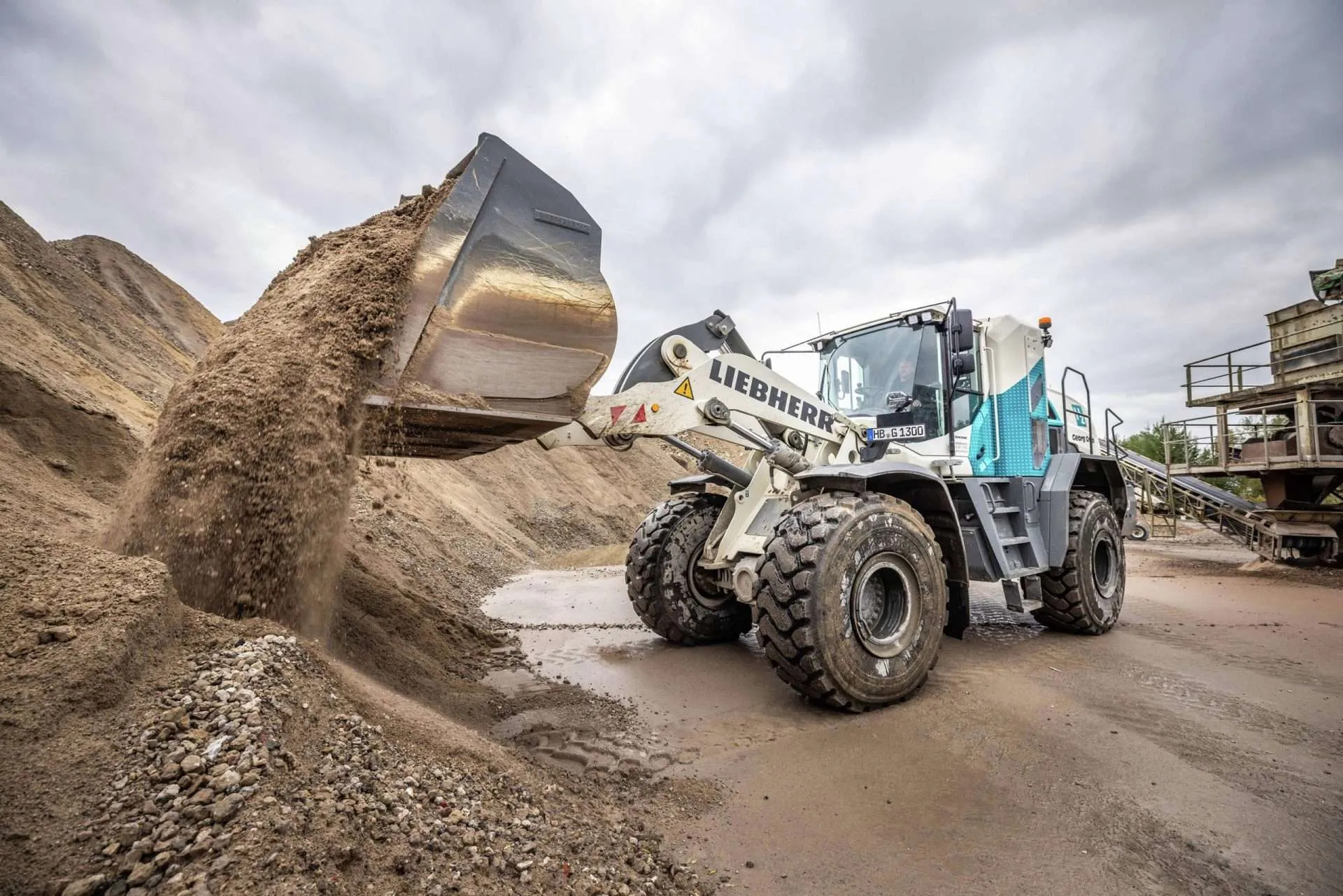
For Georg Grube GmbH, which has more than 175 years of experience in port handling, logistics and earthmoving, the project provides an opportunity to help shape the development of future machinery.
Wolfgang Grube, owner and managing director of Georg Grube GmbH, explained that the company wanted to become involved before the technology reached series production, helping ensure that hydrogen-powered equipment could deliver the same reliability as conventional machines while reducing emissions.
A Local Hydrogen Supply Network
One of the most significant aspects of the project is the hydrogen infrastructure already established in Bremerhaven.
The L 566 H operates using green hydrogen produced locally with electricity generated by wind turbines. An electrolyser operated by HY.City.Bremerhaven converts the renewable electricity into hydrogen, which is then transported using mobile storage solutions.
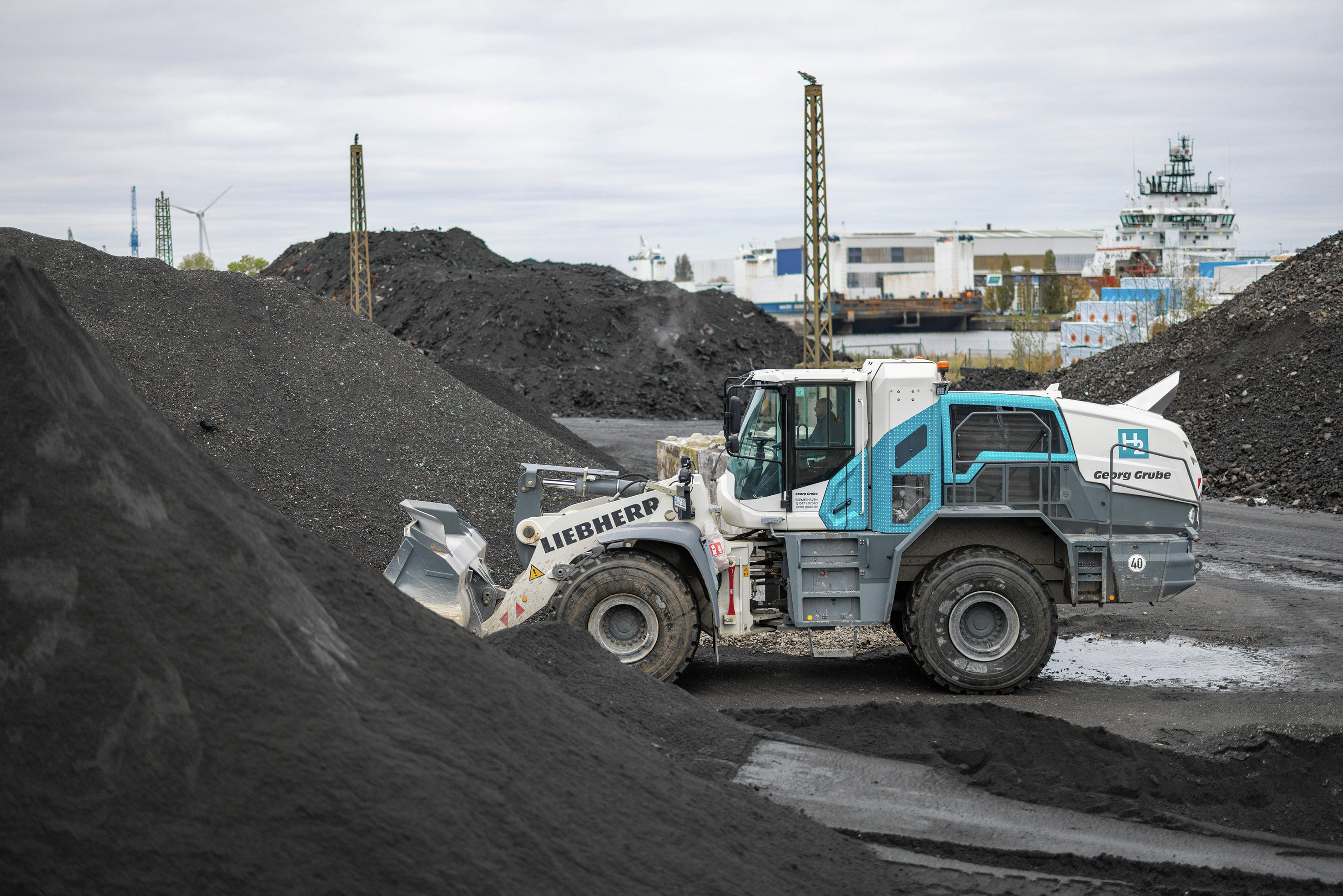
A dedicated hydrogen refuelling station has been commissioned at the Fraunhofer IWES Hydrogen Lab in Bremerhaven, allowing the wheel loader to refuel after its working shift.
This regional supply network enables Liebherr and its project partners to assess not only the machine’s performance but also the practicality of operating hydrogen-powered construction equipment as part of an established hydrogen ecosystem.
Developing Alternatives to Diesel
Liebherr continues to explore several alternative drive technologies as manufacturers look for ways to reduce emissions across construction and material handling applications.
While battery-electric machinery is becoming increasingly established in certain applications, hydrogen could offer a complementary solution for larger machines operating under demanding workloads, particularly where suitable refuelling infrastructure is available.
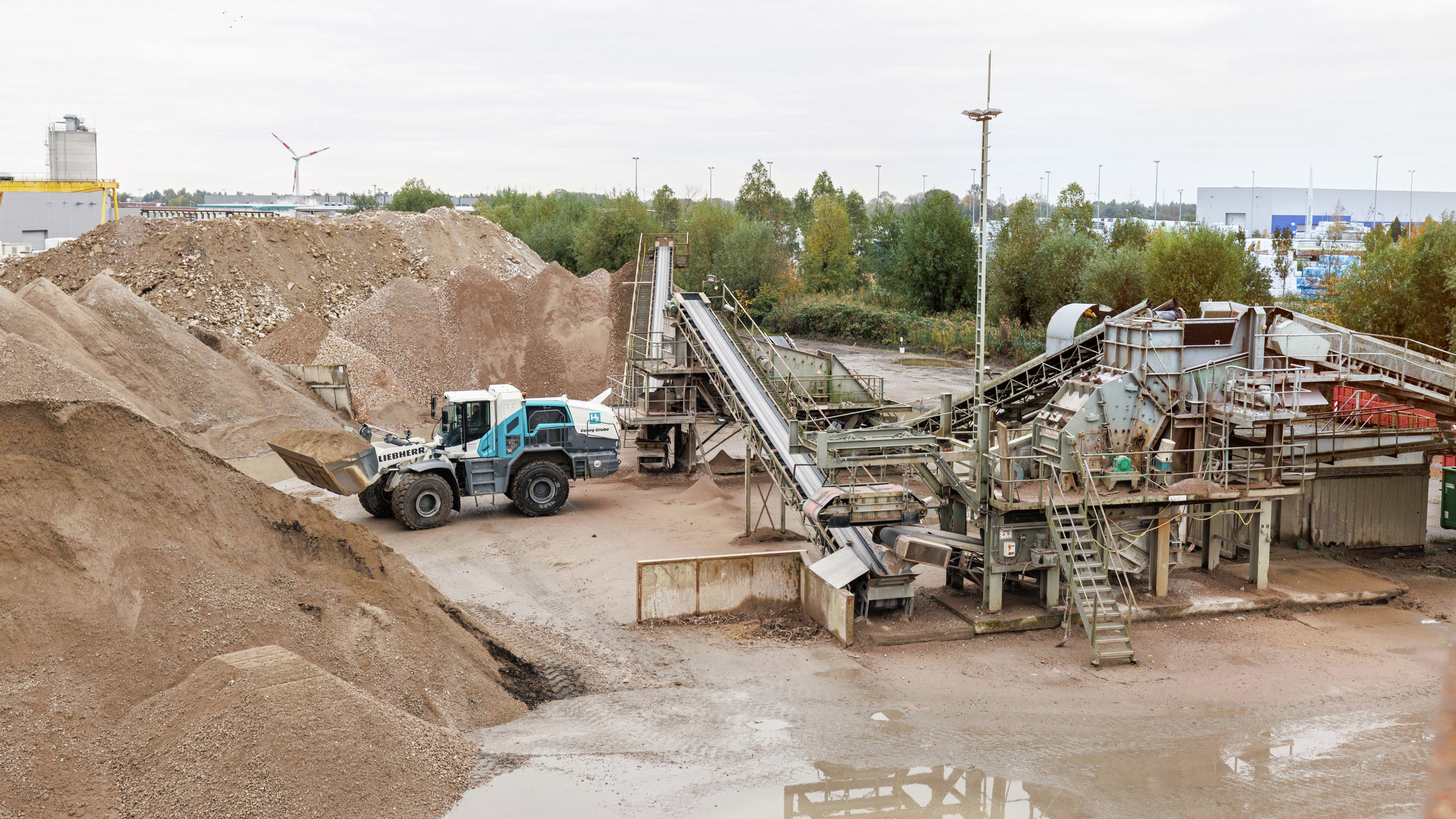
Günther Holzer, Technical Managing Director of Liebherr-Werk Bischofshofen GmbH, said the Bremerhaven trial provides the opportunity to evaluate hydrogen technology under genuine operating conditions, supported by the region’s existing infrastructure.
However, expanding the use of hydrogen-powered machinery will require further investment in refuelling networks and a sufficient number of vehicles to make the infrastructure economically viable.
A Long-Term Test for Hydrogen Machinery
The field trial forms part of the H2B initiative, Germany’s first Hydrogen Valley project supported by the European Union and the Clean Hydrogen Partnership.
Through the collaboration between Liebherr, Georg Grube GmbH, Green Fuels and regional hydrogen suppliers, the project aims to gather valuable operating data that will contribute to the development of future low-emission machinery.
With the L 566 H now handling materials in a working port environment, the trial will provide an important indication of how hydrogen-powered wheel loaders could fit into the future of heavy-duty material handling.
For Liebherr, the focus is on establishing whether hydrogen can provide a practical, reliable and commercially viable alternative to conventional drive systems in applications where machines are expected to perform day after day.