by Nick Drew | Wed 11 Nov 2026
Versatile Wille
You can’t travel very far in Finland without coming across an example of a multi-functional environmental care machine from Wille Machines Oy.
With the first snowfall of the winter forecast this week for central parts of Finland, it reminded me of my visit to Wille Machines earlier this year. There is no doubt that many of these machines will soon be out cleaning up the streets and footpaths up and down the country as the harsh Finnish winter bites!
If you are visiting Finland in the winter time you will find them, more often than not, performing snow clearing duties, while spreading sand from the rear, and in spring we see them sweeping the streets and paved areas to remove that same material. Then in the summer the attachments change to mowers, and flail mowers, it’s this versatility that really makes them a machine for all seasons!
The Finnish company who are based in, Loimaa in the South West of the country, are celebrating over 40 years of manufacturing these versatile compact, 2-7 tonne class machines which are extremely popular right across Northern Europe.
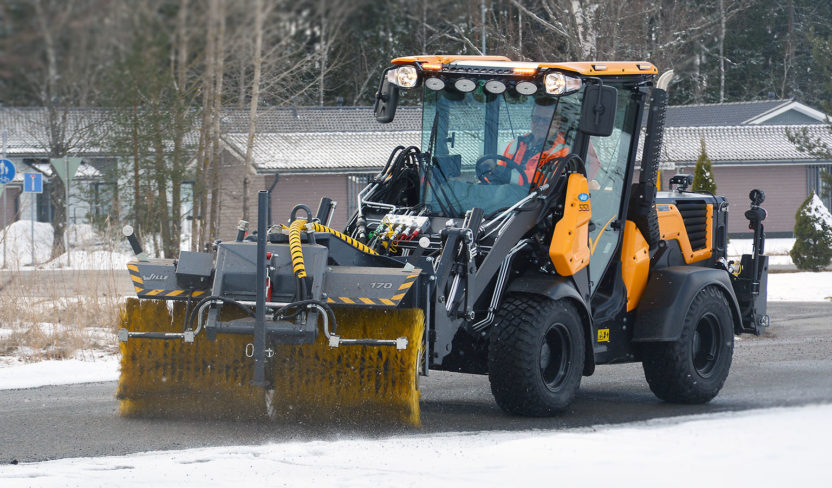
We travelled to their manufacturing facility to find out more about the business and these unique machines.
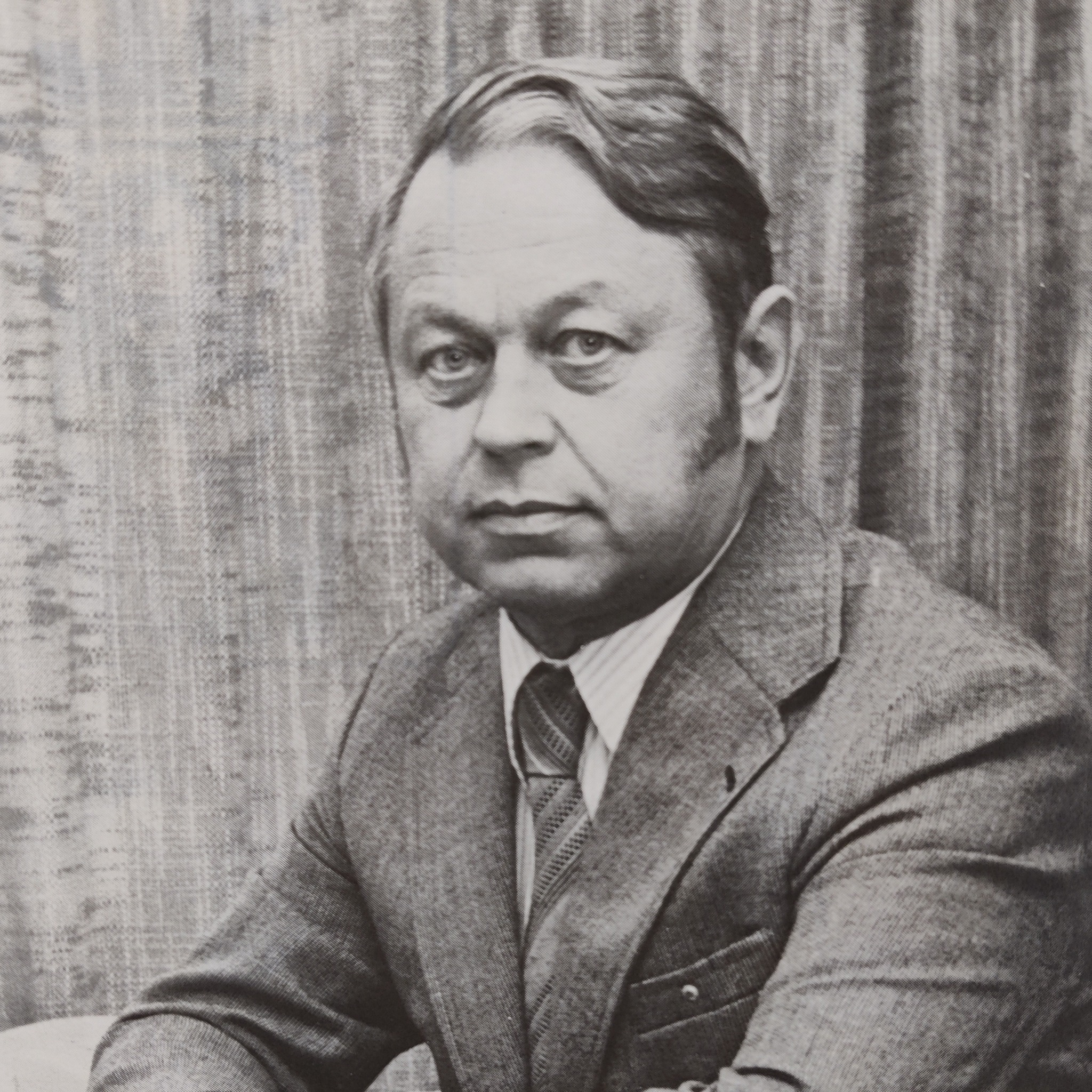
Like many of the companies we visit, Wille Machines started from very humble beginnings. In 1950 a young entrepreneur called Vilho Lankinen (pictured below) founded a machinery workshop called ‘Lankisen Konepaja’ in the village of Hintsala, not far from the current facility in Loimaa, where he undertook repair work on such things as car exhaust systems and general repairs.
By the mid-1950’s they had started to work on manufacturing front end loaders and attachments to fit onto to regular farm tractors. These quickly became very popular and were sold in large quantities over the years, under the brand name of ‘Vila’.
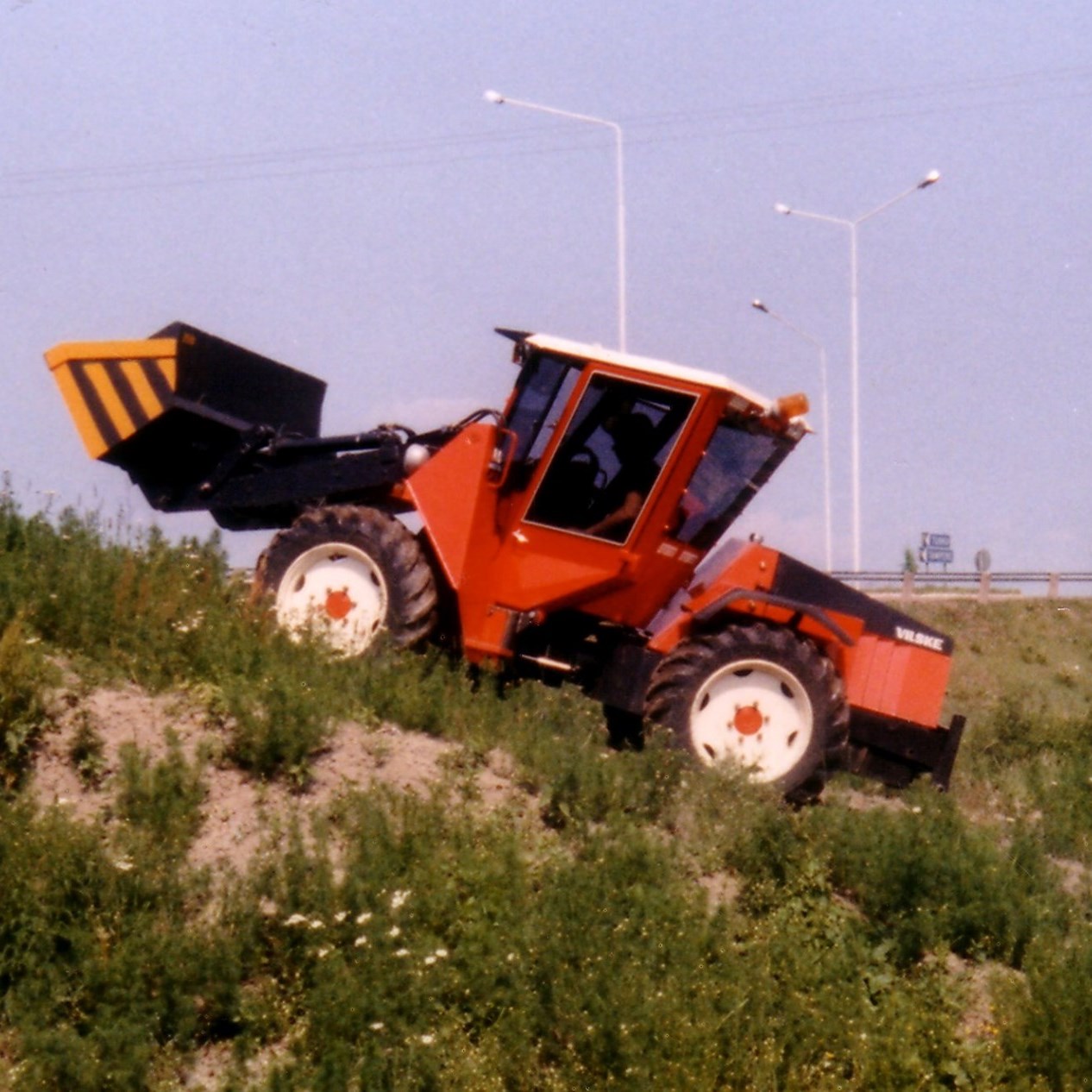
In the 1960’s this kind of work dominated the workshop and largely became the sole focus of production, in addition to manufacturing specialist application machines built on tractor bodies, including Vilske, and later on more well known Valtra VL tractors.
This period was the start of the development of machines that were designed and dedicated to the environment and property maintenance sector, which eventually evolved into the VL 45 which was designed from the ground up to be a street sweeping machine. The company officially became known as Vilakone Oy in 1968.
Leaping forward to 1978 and Vilho Lankinen began to design an entirely new and now articulated multipurpose machine, which became affectionately known as Wille (pronounced “Ville” in Finnish) which coincidently, was Vilho’s nickname.
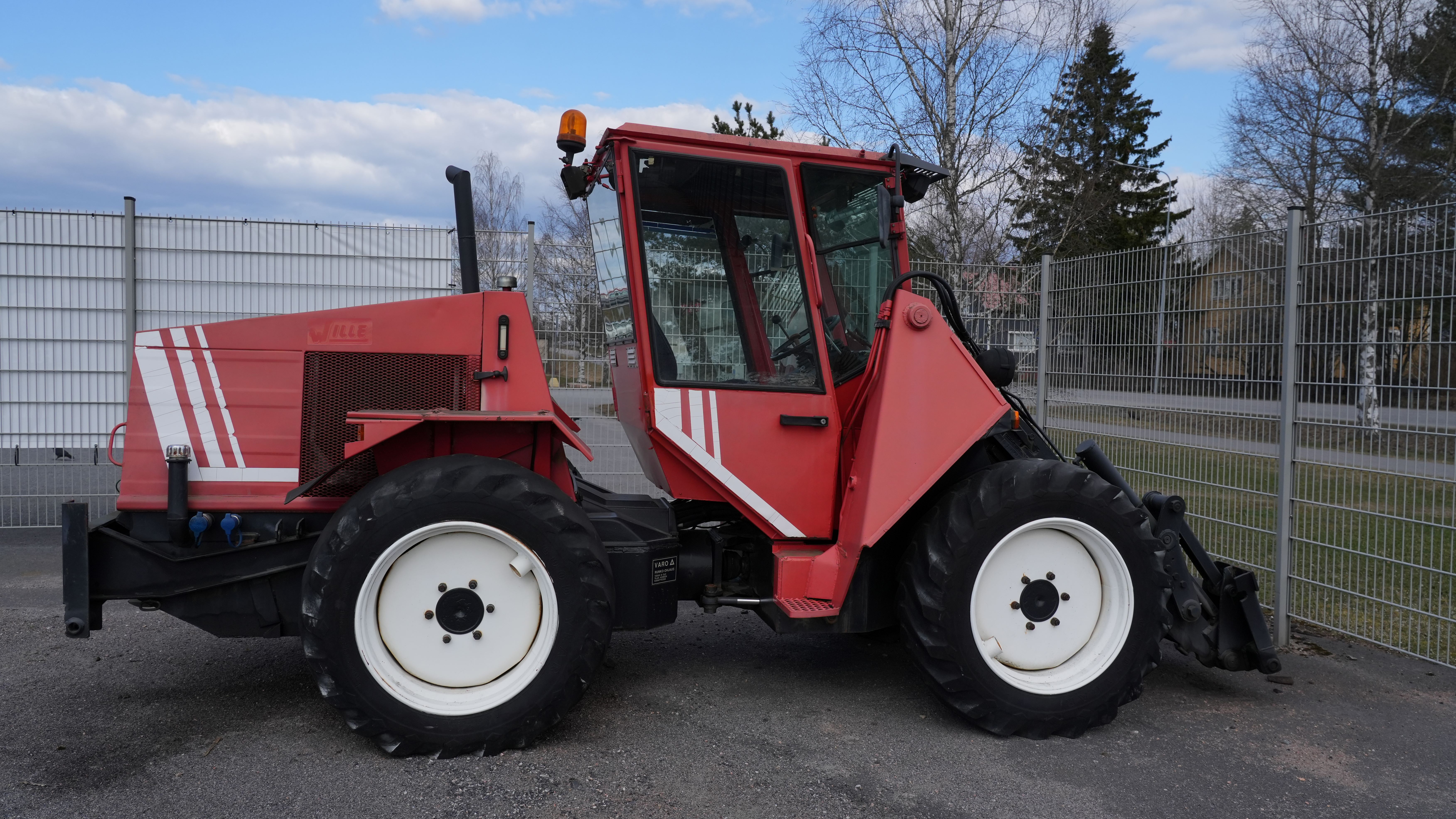
In 1980 the first prototype model rolled off the production line, and some three years later in 1983, the first Wille 645 was delivered to a customer. In the yard at Loimaa the 3rd production model from 1983 is preserved as a reminder of where the development began for these machines, and it was interesting to see that the basic format has been retained throughout the years of continued development with numerous technology and styling enhancements being implemented over the years.
In 2003 Wille Machines became part of the massive Wihuri Group, as the company that had already become a dealer for Wille machines in Finland, acquired a majority holding in Vilakone Oy and in April 2022 the manufacturer officially became known as Wille Machines Oy.
Wille Machines Oy had a turnover in 2025 of 40M Euros and exported 53% of their machines in the same year. The company’s production area in Loimaa covers some 15,000 square metres, and they offer gainful employment to around 140 employees, with 100 of those working in the factory on the production line, with the other 40 working in the offices.
We took a look around the facility late in the afternoon, when the workforce had gone home, with our guides for the day, Asko Sairanen Export Sales Manager and Antti Lindström who is Product Manager.
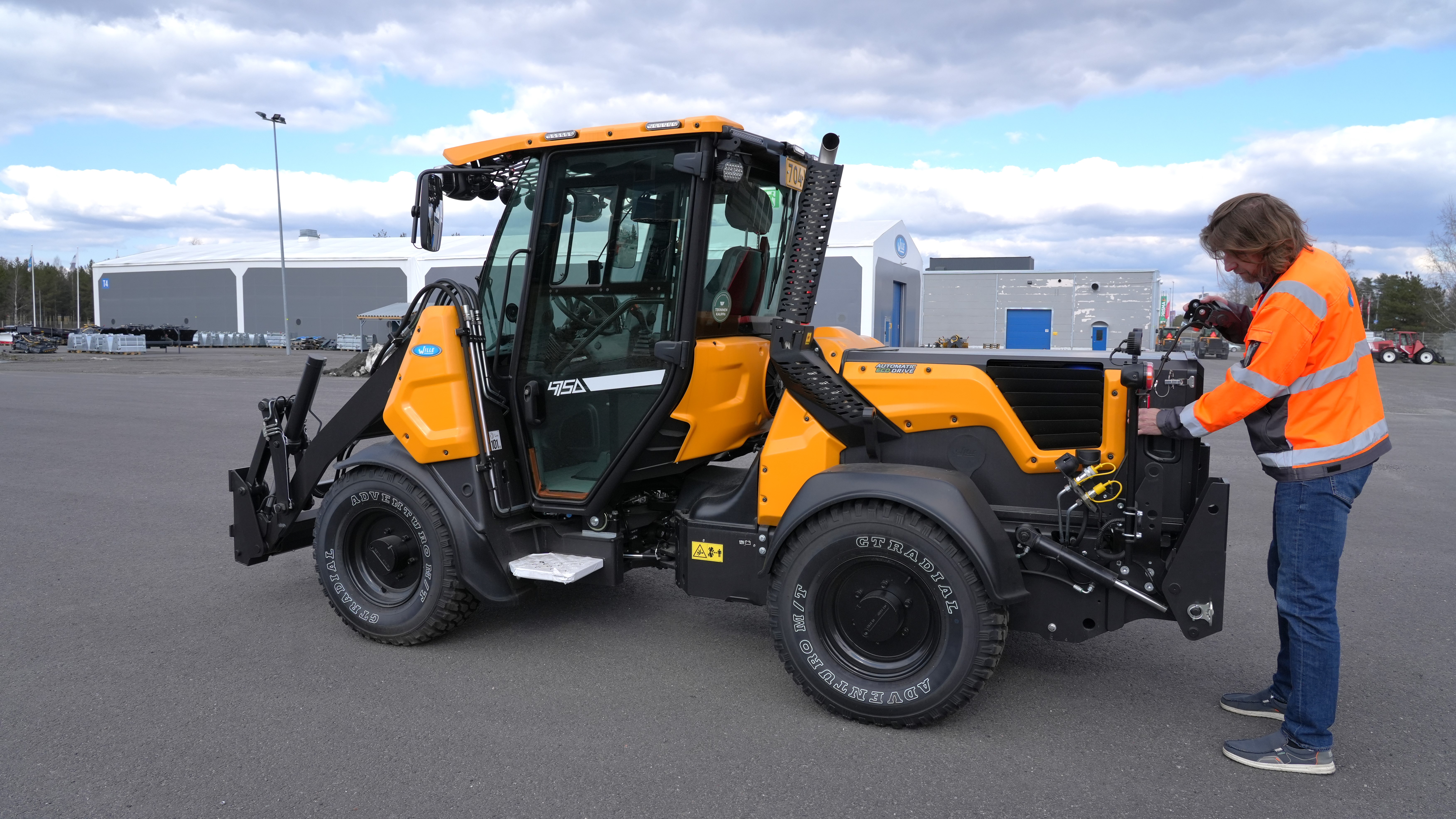
There is something quite eerie about a manufacturing facility when the days shift has finished, usually a scene of hectic activity is suddenly still and serene, but it gave us a good opportunity to wander around in peace, unfortunately photo opportunities were restricted to a small handful of places, but in all fairness when you have seen one factory you have virtually seen them all.
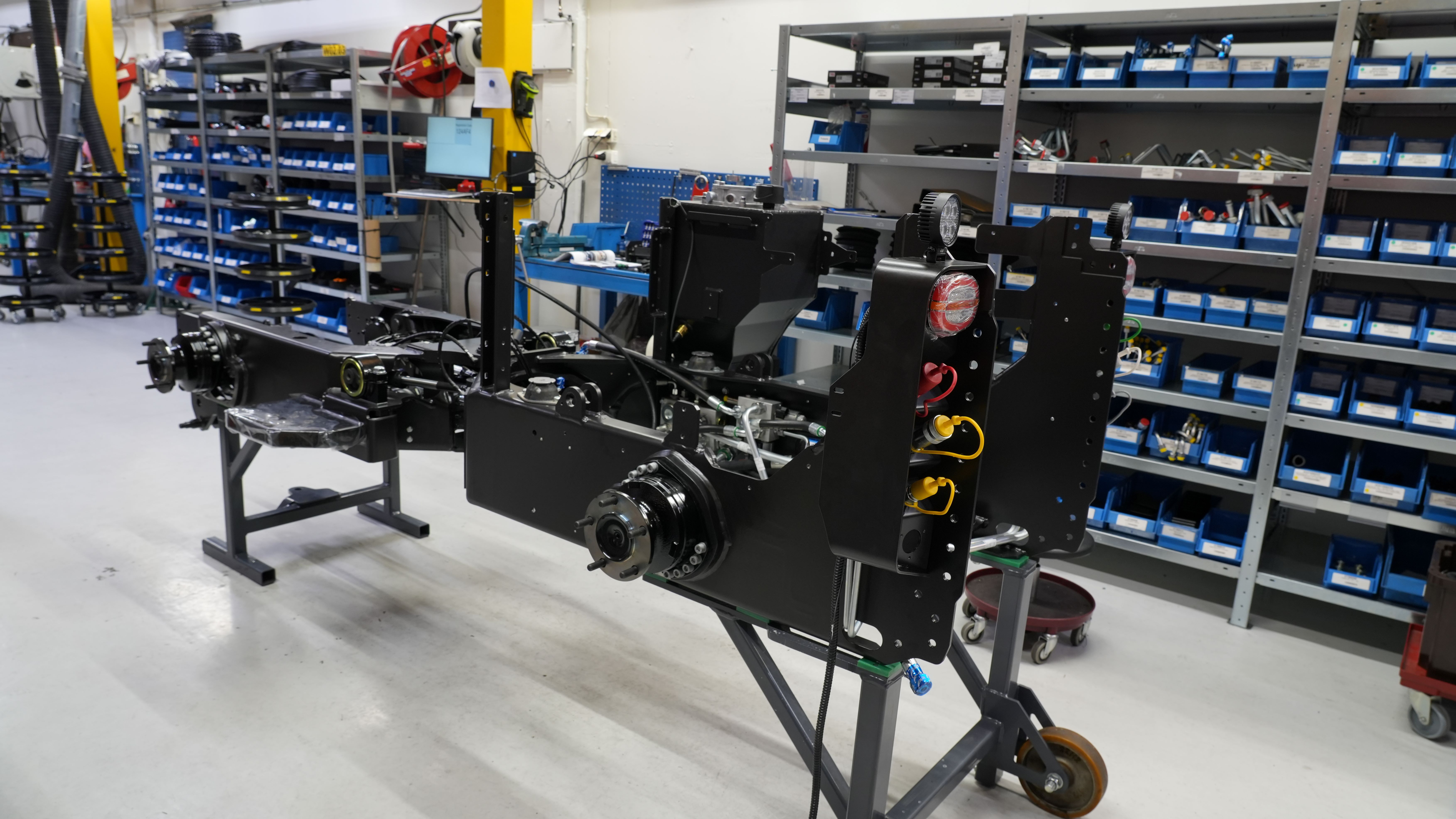
Asko told us that they don’t actually have any metal cutting machines in the factory, instead plate parts are machined by a nearby metal working company and those parts are delivered to the factory, where they are welded together, largely using welding robots. They also weld all the hydraulic cylinders in-house, something that many manufacturers don’t do in-house anymore, but historically has always been undertaken at Wille. It was also interesting to see that they weld together the fuel tanks, and don’t use plastic tanks like so many others do these days.
In a familiar scenario some components are manually welded or tacked, before they head to the robots for the finished welding. All loader arms, rear and front frames are welded in the factory ahead of the assembly line. Cabins for the smaller 2-tonne class 275 Delta and 375 Delta models are also fabricated in the factory, whilst cabins for the larger 475, 675 and the top of the range 7-tonne class 875 Delta models are fabricated by a Finnish cab manufacturer.
In the traditional manner, components are shot blasted, powder coat treated and painted prior to assembly. Asko said that company produce around 300 machines per year, and all the machines we saw on the day are sold, they don’t build any for stock at the factory. Current production figures are one machine completed per day.
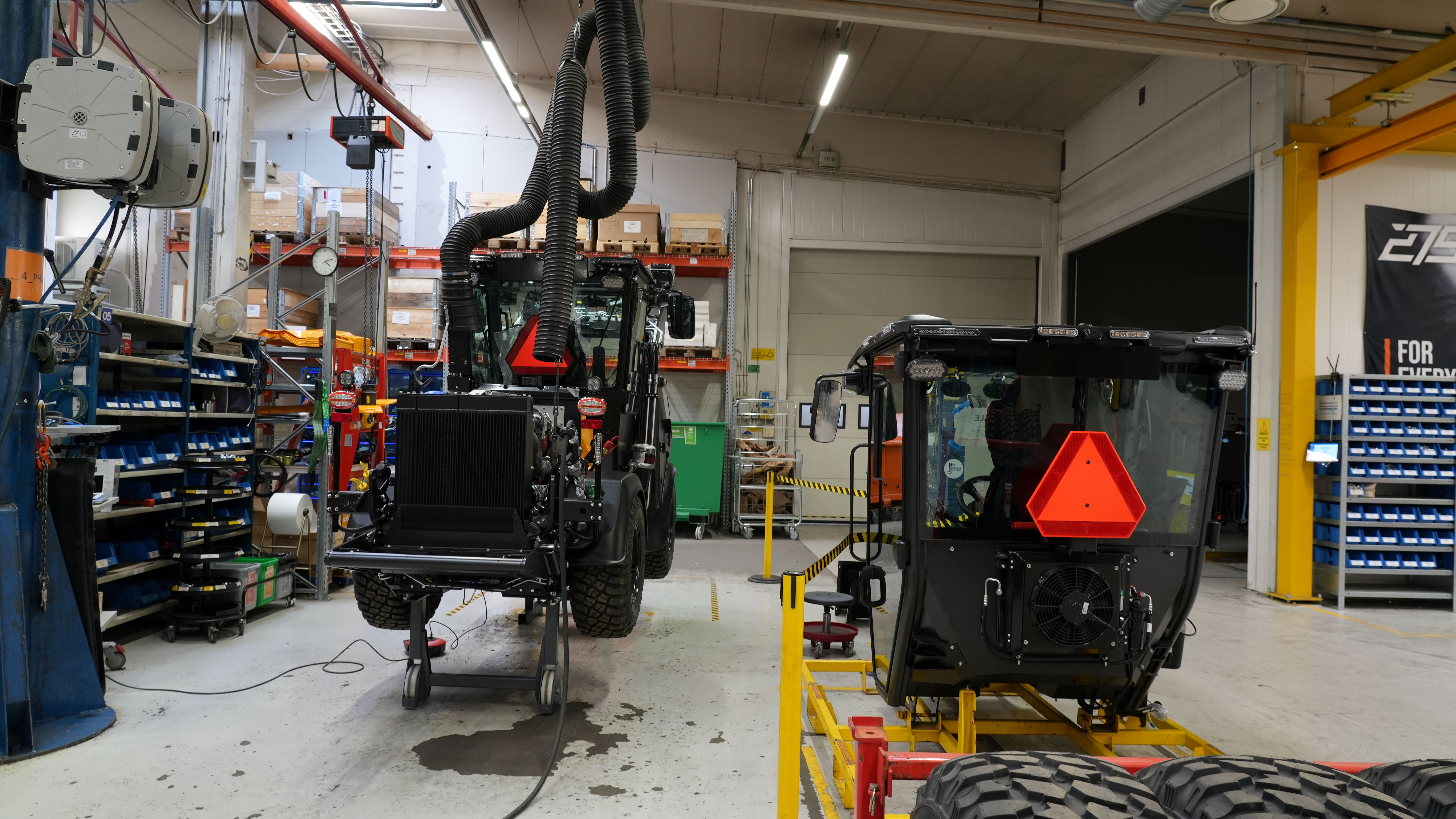
When the machine is completed and reaches the end of the assembly line, it goes out into the yard for a period of hot testing to check for any leakages. They also have 2 test drivers who drive the machines along a pre-determined course around the city, which takes about 4-5 hours, then on return to the factory everything is checked again including hydraulic oil pressures.
Scandinavia is the biggest market, along with Estonia, Serbia and France, and we also discovered that most recently Lancashire based dealer Multevo has taken on the Wille Machines brand for the UK market. North America is also covered by dealers in Canada and USA.
The manufacturers latest products are the stylish looking Delta-series, a range of five different size models, starting with the 275 Delta which has an operating weight of 2,180kg, right up to the 875 Delta which tips the scales at 7,070kgs, these machines have also recently been joined by the electric powered e475 Delta which was revealed at the tail-end of last year at Park og Anlegg Trade Fair in Lillestrøm, Norway.

We got to encounter the new electric model at the Mansen Mörinät event a few days later, but it was not available to test drive at the factory unfortunately as it was being prepared for that event.
We did however, get the chance to take a few machines for a spin around the yard, starting with the 275 Delta.
The 275 Delta, nicknamed the Little Giant, differs from the other machines in the range in the fact that it doesn’t feature front loader arms. This machine features a slightly longer wheelbase compared to the previous 275 model, which further enhances stability.
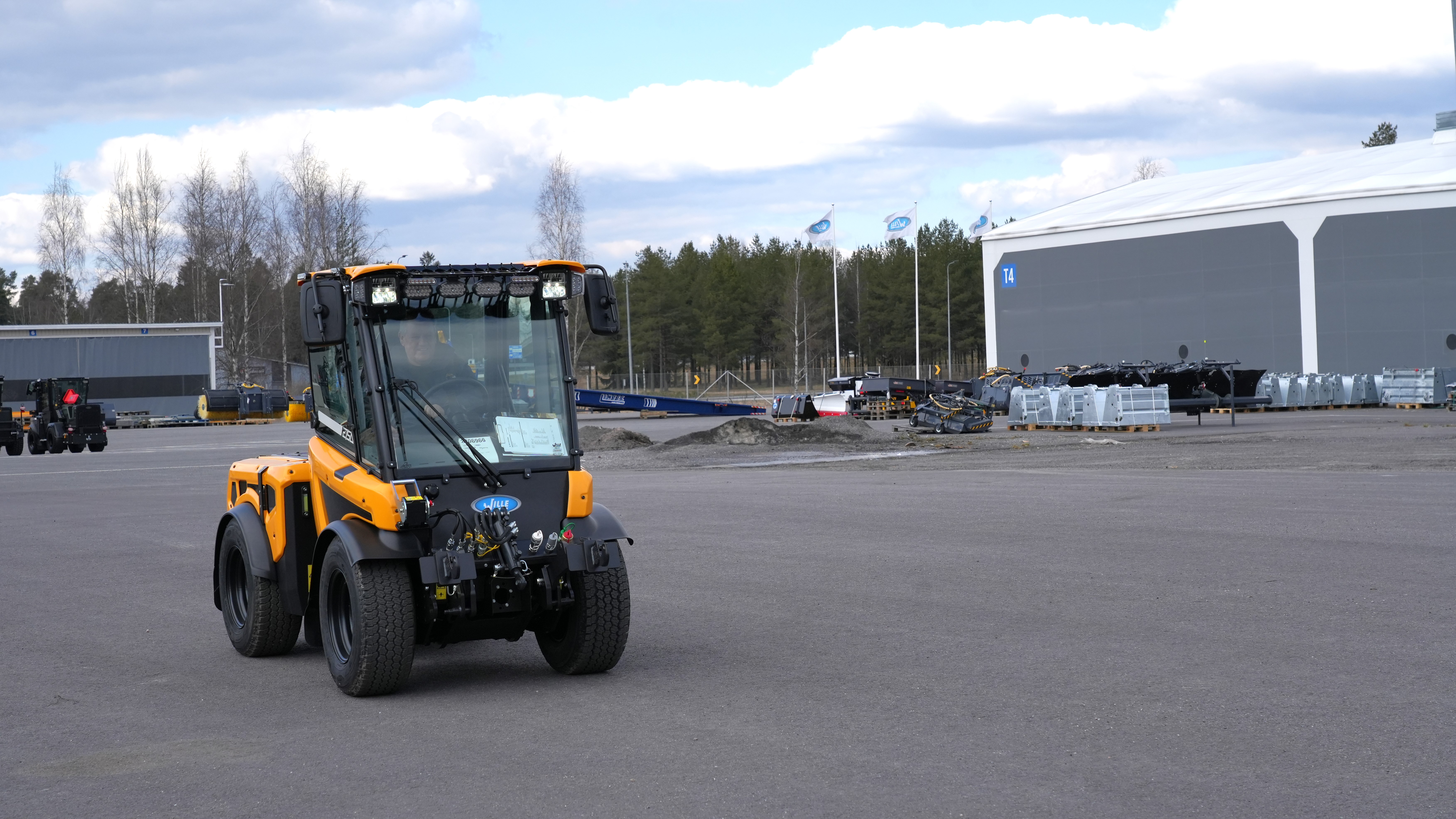
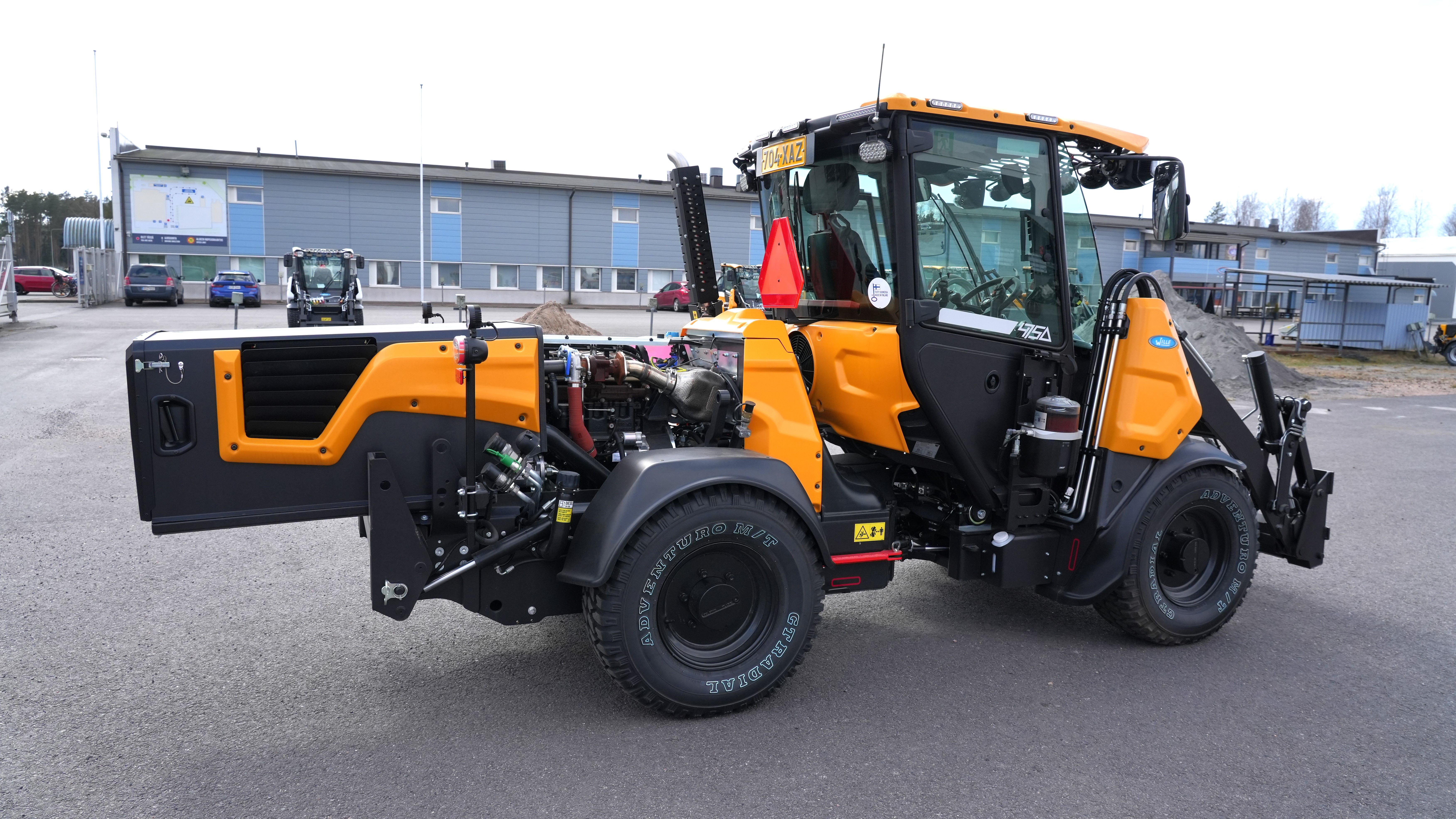
The machine is powered by a 3-cylinder, EU Stage V emissions compliant, Kohler KDI903TCR turbo charged and intercooled diesel engine, which recently upgraded, now offers a power output rating of 50kW (68hp) @2600rpm.
The 275 Delta offers a maximum hydraulic oil flow of 110 litres, which is more than enough to power a wide variety of oil hungry front-end attachments. We were not able to put the machine to work in any capacity as it was not fitted with any work tools, but I was impressed by the speed and power of this unit, the responsiveness of the hydrostatic transmission, and the simplicity of the controls in the cabin.
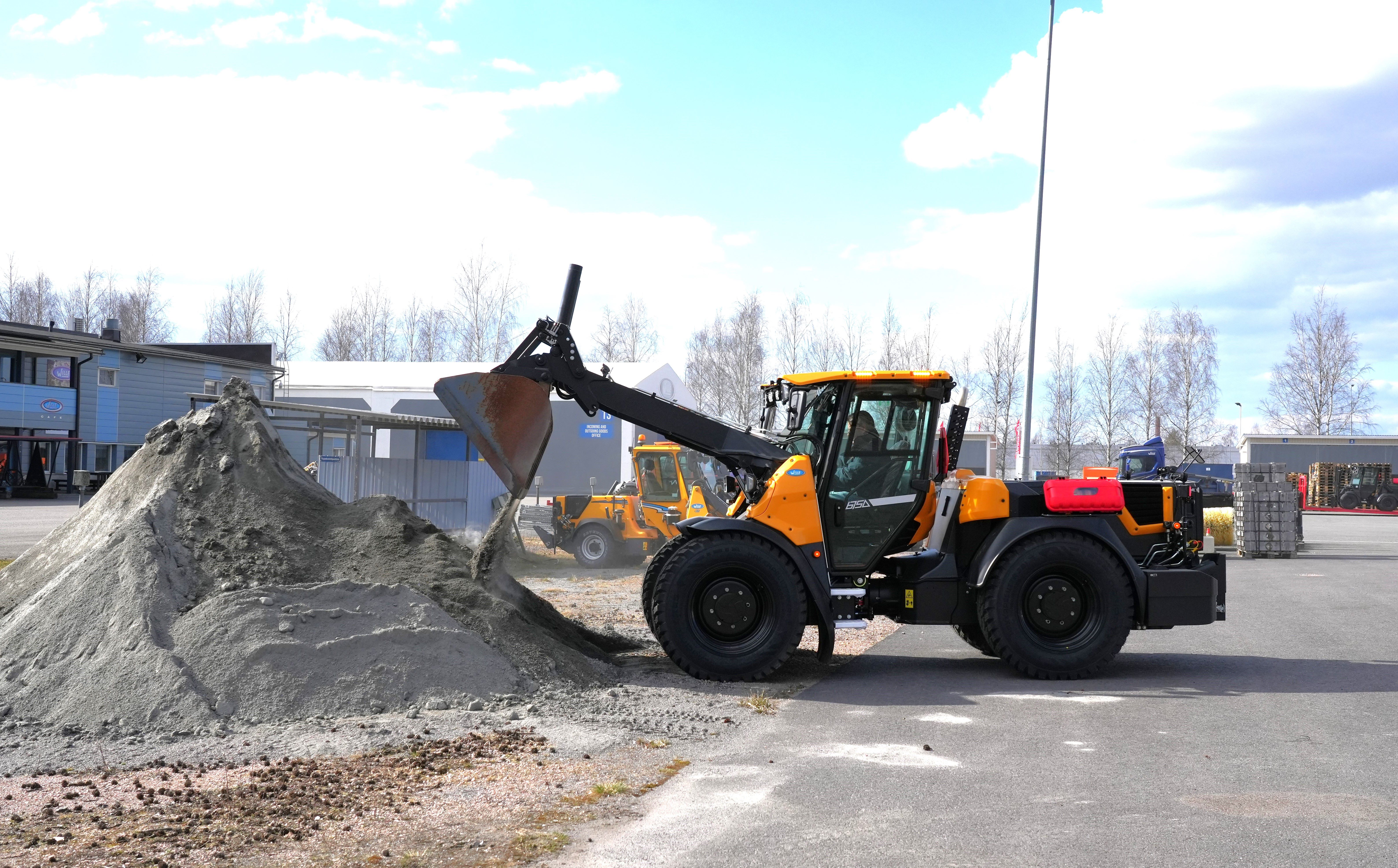
I was also able to drive around the yard in a 475 Delta, and the top of the range 875 Delta model. I was also given the opportunity to try out the 6.1-tonne 675 Delta, which for the purpose of our visit had been fitted with a 1000 L soil bucket, so we could actually do some simulated work with the machine.
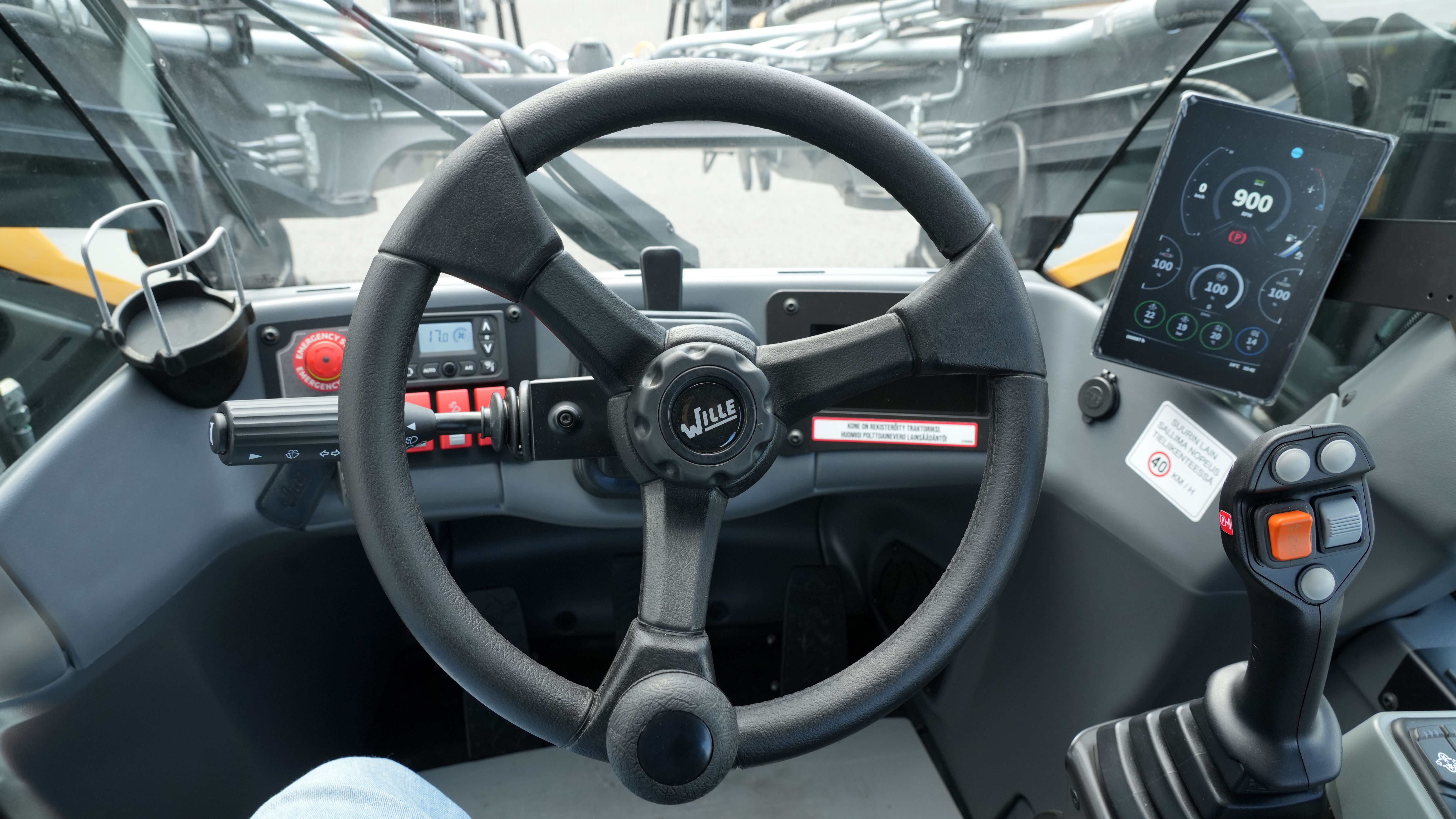
Climbing into the cab of the 675 Delta, it felt like a very different beast compared to the smallest machine in the range. The 675 shares the same cab as the 875 model, its deceivingly spacious inside and well-appointed. The sloping front windscreen offers an exceptional view of the front loader arms and attachment, and even with the loader arms raised, you still have great visibility of the attachment.
In fact, visibility all around the machine is superb, with lots of glass all-around. A new low-profile dashboard, which coincidentally features that all important addition of a cup holder for the operator’s coffee, further enhances visibility to the front, and the fact that the operator cab is situated on the front articulation component of the machine also improves that view.
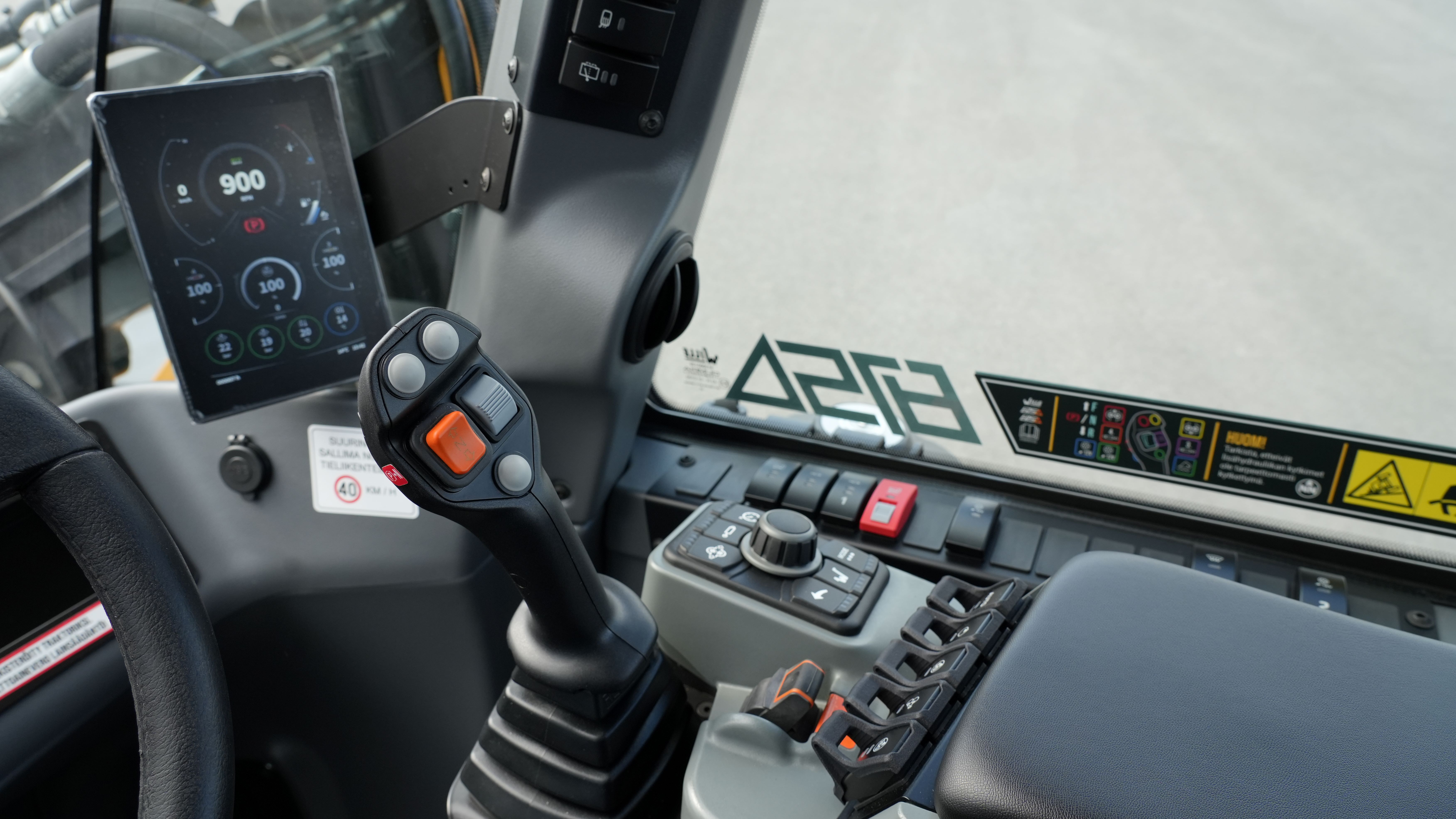
Controls and switches are nicely located around the cabin within easy reach of the operator. As has become very common in equipment these days, the 675 Delta features a large tablet style monitor, where you can monitor the machines status, hours worked, servicing reminders, and programme up to 30 individual operator profiles, and adjust hydraulic flows to suit a particular attachment. You can even adjust the joystick pattern to suit an individual operator’s preferences.
A jog style dial situated to the operator’s right-hand side in front of the armrest, is used to make the adjustments on the monitor, in comfort from the seat, very similar to the type of thing we see on modern hydraulic excavators, it’s very intuitive and simple to navigate around the system.
The steering wheel and fully adjustable suspension seat can be adjusted for depth and height, enabling operators of all shapes and sizes to find that perfect driving position. The machine features 4 different driving modes, Eco, which is the default setting, Eco off, Heavy, and Smart modes.
Having made myself at home in the cab, and fitted my seatbelt, I fired up the 4-cylinder, 105kW (143hp) EU Stage V compliant diesel engine Kohler, which just purred away, quietly producing an inside cab noise level of just 70 dBA.
Once again simplicity of operation was clearly evident, two pedals on the floor, brake and throttle, and the multi-function joystick controls the loader arm and bucket (attachment) whilst a forward, neutral and reverse thumb rocker switch controls the direction of travel.
A tug on the joystick to raise the bucket, selecting forward on the rocker switch and a dab on the throttle pedal and I was off, I immediately noticed that these machines are very swift, the hydrostatic transmission is capable of a top speed of 50 km/h, not that I got anywhere near that on the yard area, but it showed a rapid turn of speed!
A large pile of sand, probably left over from being spread across the yard during the winter, was available for me to shove about with the bucket. Diving into the pile the machine, sitting on Nokian 420/65R24 Finnish manufactured tyres, showed some serious grunt and quickly gained a full bucket of material. I took the loaded machine for another spin around the yard to see how it performed under load, before driving up on the heap and discharging the load.
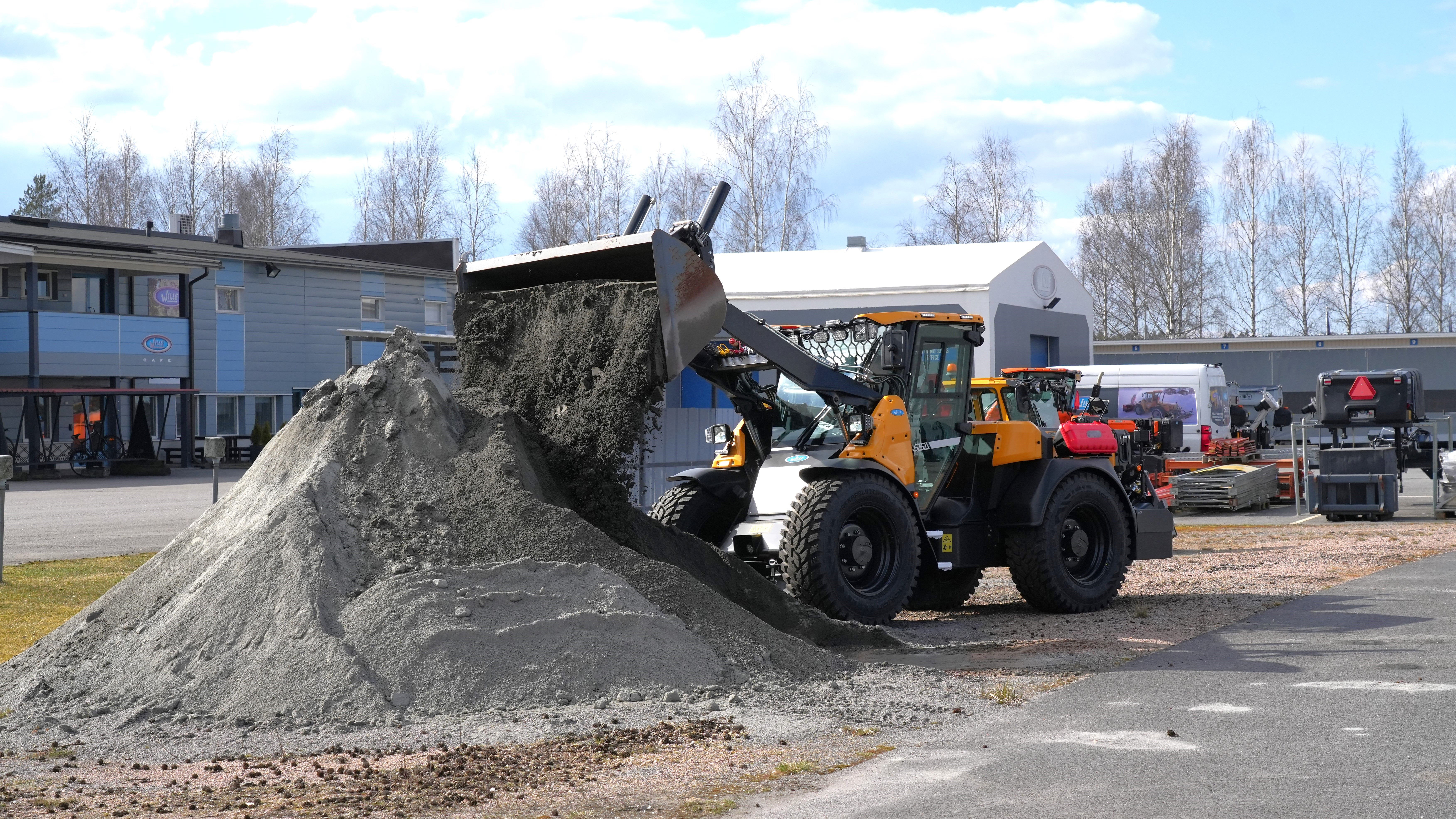
Loader height at full lift is 3380mm with the bucket discharge height being 2420mm which for a low-profile machine is not bad at all, bearing in mind it’s not so common for these machines to be used in a wheeled loader application, as they are more commonly used as a tool carrier such as snow ploughs or rotary sweeping brushes.
With an inner turning radius of 2740mm and an outer turning radius of 4660mm, this machine proved to be very manoeuvrable despite its overall length of 5225mm.
While it all seemed like good fun in the yard, it quickly became apparent that these Wille machines are serious pieces of equipment for the application that they are designed for, it came as no surprise that they have become so successful not only in the domestic market, but in many other parts of the world too, it was a real eye opener for me personally.